.png)
Why Does My AC Keep Turning On and Off? (Short Cycling Explained)
- Jun 12
- 4 min read
If your AC keeps turning on and off every few minutes, your system may be experiencing a
problem called short cycling.
This is one of the most common HVAC issues homeowners experience during Phoenix and
Austin summers.
Instead of running through steady cooling cycles, the system:
● turns on
● shuts off quickly
● then restarts repeatedly
At first, this may seem minor.
But over time, short cycling can:
● reduce cooling performance
● increase system strain
● raise energy usage
● and shorten the lifespan of your AC system
The good news is that many short cycling issues are fixable when identified early.
Here’s what homeowners should know.
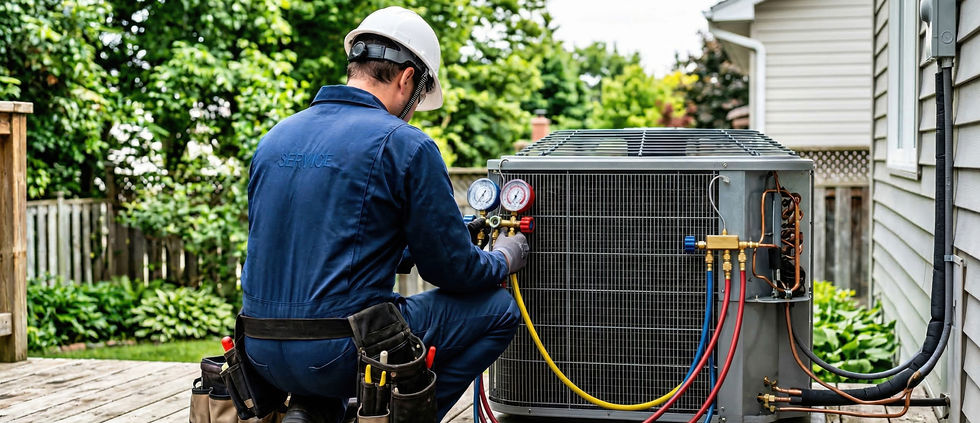
What Is AC Short Cycling?
Short cycling happens when your AC system shuts off before completing a normal cooling cycle.
Under normal conditions, an AC system should run long enough to:
● cool the home gradually
● maintain stable temperatures
● and remove humidity from indoor air
When short cycling occurs, the system starts and stops too frequently instead of operating
steadily.
This creates unnecessary stress on HVAC components and usually indicates an underlying issue.
Why Short Cycling Is a Problem
Many homeowners assume:
“The AC is still running, so it’s probably okay.”
But short cycling is not normal behavior.
Frequent restarting forces your system to work harder because startup is one of the most
demanding parts of the cooling cycle.
Over time, this can:
● increase wear on components
● reduce overall efficiency
● create uneven cooling
● and make the home less comfortable
The longer the issue continues, the more strain the system experiences.
Most Common Causes of Short Cycling
1. Dirty Air Filter (Most Common Cause)
One of the most common causes is restricted airflow.
When filters become clogged:
● airflow decreases
● internal temperatures rise
● and the system may shut down prematurely to protect itself
Phoenix dust and long summer run times often cause filters to clog faster than homeowners
expect.
2. Thermostat Problems
If the thermostat:
● is malfunctioning
● is installed near heat sources
● or reads temperatures inaccurately
…it may signal the system to turn off too early.
This can create rapid cycling patterns throughout the day.
3. Low Refrigerant (Leak Issue)
Low refrigerant levels can affect system pressure and cooling performance.
When refrigerant problems occur, the system may:
● overheat
● struggle to cool properly
● or cycle repeatedly
Refrigerant issues usually require professional diagnosis.
4. Oversized AC System
Many homeowners assume bigger AC systems cool better.
But oversized systems can actually create short cycling problems.
If a system cools too quickly:
● it shuts off before completing a full cycle
● airflow and humidity control suffer
● and the system repeatedly restarts
Proper sizing plays a major role in long-term HVAC performance.
5. Electrical Issues
Weak electrical components may also create irregular cycling behavior.
This can include:
● worn capacitors
● failing contactors
● or unstable electrical communication inside the system
Electrical issues often become more noticeable during extreme heat.
6. Frozen Evaporator Coil
Restricted airflow or refrigerant issues can freeze the coil.
System shuts off to prevent damage
7. Dirty Condenser Coils
Outdoor condenser coils release heat from the home.
When dust and debris collect on coils:
● airflow becomes restricted
● heat transfer becomes less effective
● and the system may overheat
This is especially common in Phoenix due to dust storms and extreme summer conditions.
Why Short Cycling Happens More in Phoenix & Austin
Climate matters.
In Phoenix:
● systems run heavily during extreme heat
● dust buildup affects airflow
● and HVAC systems operate under constant stress
In Austin:
● humidity creates additional cooling demand
● moisture affects airflow and comfort
● and systems may cycle differently during humid weather
Both climates place more strain on HVAC systems than milder regions
Signs Your Short Cycling Is Getting Worse
Homeowners may notice:
● shorter cooling cycles
● rising energy bills
● inconsistent temperatures
● weak airflow
● warm spots in the home
● or longer run times during peak heat
These signs often indicate the system is struggling more than normal.
What Homeowners Can Check First
Before scheduling service, homeowners can check a few basic items.
Replace the Air Filter
Dirty filters are one of the most common causes of airflow restriction.
Inspect the Outdoor Unit
Clear away:
● debris
● leaves
● dust buildup
● or blocked airflow around the condenser
Check Thermostat Settings
Make sure:
● settings are correct
● batteries are working
● and the thermostat is functioning normally
If short cycling continues after these steps, the system should be professionally evaluated.
Why Ignoring Short Cycling Creates Bigger Problems
Short cycling usually starts as a smaller issue.
But repeated overheating and restarting increase stress on:
● compressors
● motors
● electrical components
● and airflow systems
Over time, this additional strain can reduce system lifespan and create larger HVAC problems.
That’s why identifying the cause early is important.
How to Prevent AC Short Cycling
Homeowners can reduce the risk of short cycling through regular maintenance and airflow
management.
Helpful steps include:
● changing filters regularly
● keeping condenser coils clean
● scheduling seasonal maintenance
● addressing airflow issues early
● and making sure systems are properly sized
Preventative maintenance helps systems operate more consistently during heavy summer use.
How a Professional Diagnosis Helps
Short cycling can have several different causes.
A proper HVAC evaluation should include:
● airflow inspection
● thermostat testing
● electrical checks
● refrigerant evaluation
● and system performance testing
The goal is not just to stop the cycling temporarily—but to identify the actual source of the
problem.
Final Thoughts
If your AC keeps turning on and off repeatedly, it’s usually a sign the system is struggling in some
way.
In many cases, the issue is manageable when addressed early.
But if ignored, short cycling can increase system wear, reduce comfort, and create larger
performance problems over time.
Understanding what causes short cycling helps homeowners respond before small issues
become more serious.
Need Help Diagnosing AC Short Cycling?
If your system:
● turns on and off constantly
● struggles during summer heat
● or no longer cools consistently
A professional HVAC inspection can help identify airflow problems, electrical issues, and system
performance concerns. Request an AC diagnostic and have the issue fixed before it becomes a major repair.


Comments