.png)
AC Maintenance Checklist: Simple Steps to Prevent Breakdowns
- Jun 18
- 4 min read
Most AC systems do not suddenly stop working overnight.
In many cases, breakdowns happen after months of:
● restricted airflow
● dust buildup
● neglected maintenance
● or small problems that slowly get worse over time
The good news is that regular maintenance can help prevent many common HVAC issues before
they turn into larger repairs.
And in places like Phoenix and Austin—where AC systems run heavily during long
summers—maintenance becomes even more important.
This guide covers simple AC maintenance steps homeowners can follow to help improve
performance, reduce system strain, and extend HVAC lifespan.

Why AC Maintenance Matters
Your HVAC system works harder than almost any appliance in your home.
During summer:
● systems run for long periods
● airflow restrictions increase strain
● and heat places constant demand on equipment
Without regular maintenance:
● efficiency declines
● cooling performance drops
● components wear out faster
● and small issues become larger problems
Preventative maintenance helps systems operate more consistently under heavy summer conditions.
The Complete AC Maintenance Checklist
1. Change Your Air Filter Regularly
One of the most important maintenance tasks is replacing your air filter consistently.
Dirty filters restrict airflow and force your system to work harder to move air throughout the
home.
This can lead to:
● reduced cooling performance
● higher energy usage
● increased system strain
● and uneven temperatures
In Phoenix, filters often become dirtier more quickly due to dust storms and dry desert conditions.
During summer, homeowners should inspect filters regularly and replace them when buildup
becomes noticeable.
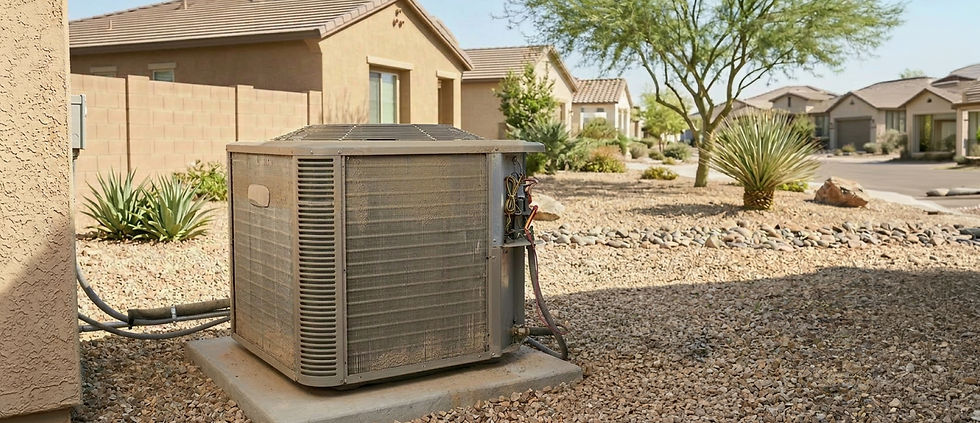
2. Keep the Outdoor Unit Clean
Your outdoor condenser unit needs proper airflow to release heat effectively.
When dirt, leaves, or debris surround the unit:
● airflow becomes restricted
● efficiency declines
● and the system works harder to cool the home
Homeowners should:
● clear debris around the unit
● maintain open space around the condenser
● and gently rinse visible dust buildup when needed
This is especially important after Phoenix dust storms.
3. Check Air Vents Throughout the Home
Blocked or closed vents can reduce airflow and affect cooling consistency.
Walk through the home and make sure:
● vents are open
● furniture is not blocking airflow
● and airflow feels consistent between rooms
Restricted airflow can increase system strain and create uneven cooling throughout the home.
4. Monitor Thermostat Performance
Thermostat problems can affect:
● cooling cycles
● energy usage
● and indoor comfort
Homeowners should check:
● thermostat settings
● temperature accuracy
● and battery condition if applicable
If the system behaves inconsistently or cycles unusually, thermostat performance may be part of
the issue.
5. Watch for Unusual Noises
AC systems should operate relatively smoothly.
Unusual sounds may indicate developing problems.
Watch for:
● banging
● grinding
● buzzing
● or clicking sounds
These signs often suggest that components are under stress or beginning to wear down.
Identifying problems early helps reduce the chance of larger system issues later.
6. Pay Attention to Cooling Performance
Changes in cooling behavior are often early warning signs.
Homeowners should notice if:
● rooms cool unevenly
● airflow becomes weaker
● the system runs longer than normal
● or indoor comfort declines
These symptoms may indicate:
● airflow restrictions
● dirty components
● refrigerant issues
● or aging system performance
7. Check for Water or Moisture Problems
Drainage issues can affect AC performance—especially in humid climates like Austin.
Signs of possible drainage problems include:
● water near the indoor unit
● musty smells
● or excess indoor humidity
Clogged drain lines can create shutdowns or moisture-related HVAC problems if ignored.
8. Inspect for Ice Buildup
Ice or frost on HVAC components is not normal.
This usually indicates:
● airflow restrictions
● refrigerant issues
● or cooling performance problems
If ice appears:
● turn the system off
● allow it to thaw
● and have the system inspected if the issue continues
9. Schedule Professional HVAC Maintenance
Homeowner maintenance is important—but professional inspections also play a major role in
long-term system performance.
Professional maintenance typically includes:
● airflow evaluation
● electrical testing
● coil inspection
● drain line checks
● refrigerant evaluation
● and overall system performance testing
In Phoenix and Austin, yearly maintenance is usually considered the minimum. Many
homeowners benefit from twice-yearly inspections because of heavy summer system use.
Why Maintenance Matters More in Phoenix & Austin
Climate conditions create additional HVAC strain.
Phoenix
Extreme heat, dust storms, and long summer run times place constant stress on AC systems.
Dust buildup often affects:
● filters
● condenser coils
● and airflow performance
Austin
Humidity creates additional moisture-related demands on HVAC systems.
Drainage, airflow, and humidity management become more important for maintaining comfort and
system performance.
Simple Seasonal Maintenance Habits
Before Summer
Replace filters
Inspect vents
Check thermostat settings
Clear debris around outdoor units
During Summer
Monitor airflow
Watch for unusual system behavior
Replace filters more frequently if needed
After Summer
Inspect for dust buildup
Check overall performance
Address any signs of strain or reduced efficiency
Why Small Maintenance Problems Become Larger Repairs
Many major HVAC issues begin as minor airflow or maintenance problems.
For example:
● dirty filters increase strain
● restricted airflow raises operating temperatures
● and neglected systems work harder over time
When ignored, these smaller issues can affect:
● efficiency
● comfort
● and overall system lifespan
Preventative maintenance helps reduce long-term stress on HVAC equipment.
A Simple Monthly AC Check for Homeowners
Homeowners can perform a quick monthly inspection by checking:
● filter condition
● outdoor unit airflow
● cooling consistency
● unusual noises
● and thermostat behavior
Following an AC maintenance checklist can help detect minor issues early, reducing the risk of unexpected breakdowns and expensive repairs.
Final Thoughts
AC maintenance is less about reacting to breakdowns and more about preventing them.
Regular maintenance helps:
● improve airflow
● reduce system strain
● maintain cooling performance
● and extend HVAC lifespan
In Phoenix and Austin, where systems work under heavy summer demand, simple maintenance
habits can make a major difference over time.
Need Professional AC Maintenance?
If your system:
● runs longer than normal
● cools unevenly
● or has not been inspected recently
A professional HVAC inspection can help identify airflow issues, dust buildup, and early performance problems before they become larger repairs. Learn more about our AC repair services if your system is showing signs of declining performance.

Comments